
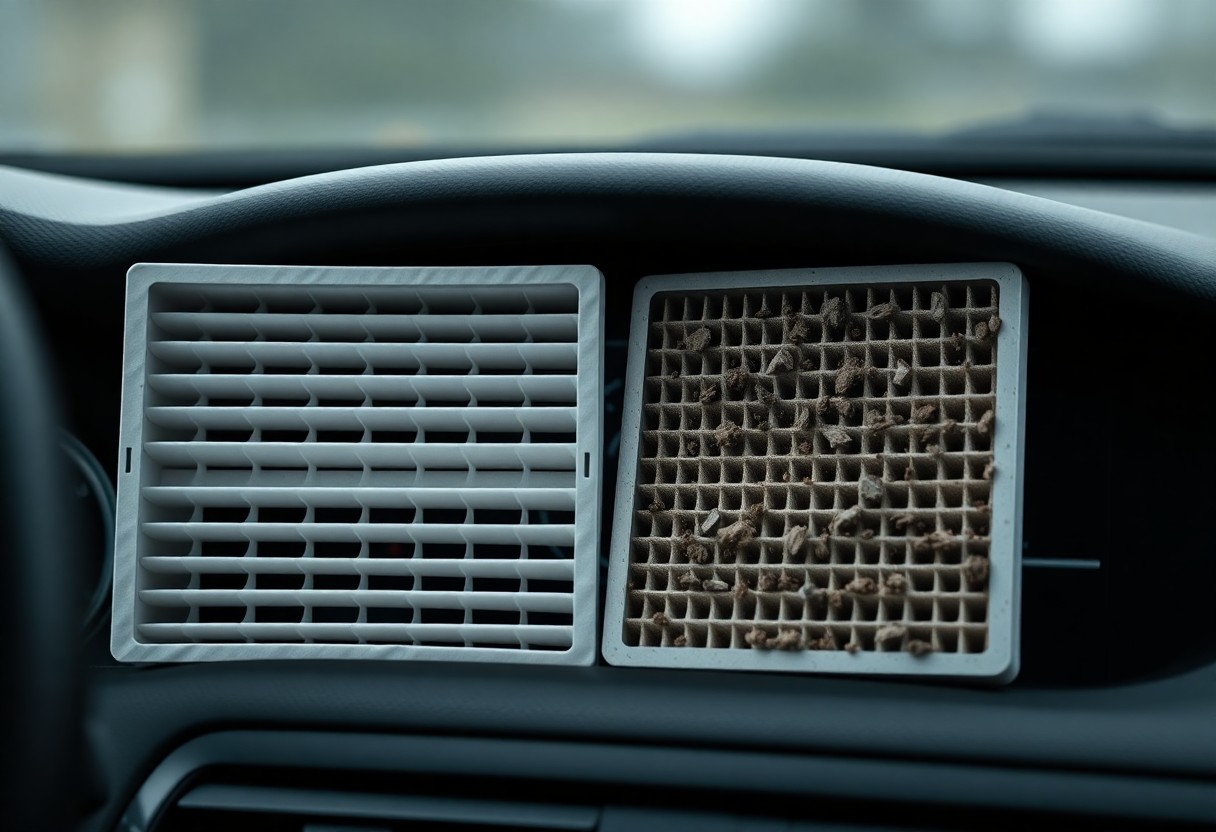
Air quality inside your vehicle is often overlooked, yet cabin air filters play a vital role in ensuring you breathe clean air during your drives. You might not realize that these filters trap harmful pollutants, allergens, and even odors, keeping you and your passengers safe from respiratory issues. Regularly replacing your cabin air filter can significantly enhance your driving experience, leading to a healthier environment inside your car. In this post, we’ll explore why paying attention to your cabin air filter is not just beneficial, but vital for your well-being on the road.
The Role of Cabin Air Filters
Functionality of Cabin Air Filters
Your cabin air filter serves an imperative purpose in maintaining the quality of the air you breathe while inside your vehicle. The filter traps harmful particles such as dust, pollen, and exhaust gases, ensuring that they don’t enter the cabin. Many people are unaware that these contaminants can significantly impact your overall health, especially during long drives or commutes. When the filter is clean, you can enjoy a more pleasant driving experience, free from unpleasant odors and irritants.
The cabin air filter works by allowing fresh air to circulate while keeping out harmful pollutants, ensuring that your HVAC system can function efficiently. This not only promotes better airflow within the car but also helps to maintain the integrity of the vehicle’s heating and cooling systems. A dirty or clogged filter can restrict airflow, leading to a less efficient system and potentially costly repairs down the line.
Benefits of Clean Air in Vehicles
To highlight the advantages of maintaining a clean cabin air filter, consider the enhanced comfort and health benefits that come with it. Clean air can significantly reduce the risk of allergens and irritants affecting you and your passengers, leading to a more enjoyable ride. Additionally, when the air quality inside your vehicle improves, you are less likely to experience symptoms like headaches, nausea, or fatigue. Investing in your cabin air filter is an investment in your well-being during your daily travels.
At the end of the day, clean air in your vehicle plays a pivotal role in your driving experience. Keeping your cabin air filter in top condition helps prevent the buildup of harmful pollutants and allergens that could otherwise compromise your family’s health. Furthermore, a regularly maintained filter can improve the overall efficiency of your ventilation system, saving you money in the long run and contributing to a more sustainable driving experience. Overall, the impact of a clean cabin air filter is more significant than most drivers realize.
Health Implications
While you may think of cabin air filters as merely an accessory in your vehicle, they play a significant role in maintaining a healthy environment inside your car. The air you breathe during your daily commute can be filled with harmful particulates and pollutants that can adversely affect your well-being. Failure to replace your cabin air filter regularly can allow dust, pollen, and even toxins to circulate freely, putting your health at risk.
Allergens and Pollutants
For many individuals, especially those with allergies, the presence of allergens like pollen, mold spores, and dust mites can be a source of discomfort and distress. These small particles can easily infiltrate your vehicle’s interior, especially if your cabin air filter is dirty or clogged. By allowing these allergens to build up, you may find yourself dealing with a runny nose, sneezing, and other allergy symptoms that can hinder your daily life.
Respiratory Issues Linked to Poor Air Quality
Alongside allergens, poor air quality in your car can cause a range of respiratory issues that you might not immediately associate with driving. Prolonged exposure to contaminants can lead to inflammatory responses in your respiratory system, increasing the risk of chronic conditions like asthma or bronchitis. If your air filter is not functioning properly, you may find it harder to breathe comfortably, especially during long journeys or in heavy traffic.
Considering the alarming statistics around air quality and respiratory health, it is crucial to be proactive about maintaining your cabin air filter. The air in urban areas can be laden with pollutants such as carbon monoxide and particulate matter, which can enter your vehicle if your cabin air filter is not efficiently filtering these contaminants. By ensuring your cabin air filter is clean, you can significantly reduce the risk of suffering from respiratory diseases and promote a healthier environment for both you and your passengers. Investing in regular filter maintenance can help maintain fresh, clean air in your vehicle, improving your overall driving experience and health.
Performance and Vehicle Longevity
Any vehicle owner understands that the performance of your car is directly linked to its ability to provide a comfortable and safe driving environment. A clean cabin air filter plays a significant role in the effectiveness of your HVAC (Heating, Ventilation, and Air Conditioning) system. When the filter is clogged with debris, such as dust, pollen, and other contaminants, it places undue strain on your HVAC system, forcing it to work harder to circulate air within your vehicle. This increased workload can lead to diminished airflow and compromised climate control, impacting your overall driving experience. Consequently, having a clean cabin air filter ensures that your HVAC system operates efficiently, contributing to a more pleasant atmosphere inside your car, regardless of external weather conditions.
Impact on HVAC Systems
Performance of your HVAC system is not only tied to comfort but also to longevity. A clean cabin air filter helps maintain the internal components of your HVAC unit by preventing the accumulation of harmful particles that could cause wear or damage over time. If you neglect to replace your cabin air filter regularly, you may face issues such as decreased heating and cooling efficiency, which can result in more costly repairs down the line. Investing a little time into replacing your cabin air filter can save you from facing extensive repair bills in the future, allowing you to enjoy consistent climate control every time you get behind the wheel.
Reducing Wear and Tear on Components
Against the backdrop of today’s complex vehicle systems, ensuring a clean cabin air filter can significantly reduce wear and tear on various components within your vehicle. By filtering out harmful particles before they reach crucial areas, such as your HVAC system and engine, a functioning cabin air filter helps maintain the integrity of your vehicle’s performance over time. This proactive approach can minimize potential breakdowns and extend the lifespan of your vehicle, ultimately protecting your investment.
And as you consider the broader implications of maintaining your cabin air filter, think about how it contributes to the overall health of your vehicle. Stocking your car with a fresh filter can enhance air quality and efficiency while safeguarding sensitive components from damage. By prioritizing the health of your cabin air filter, you not only improve your immediate driving experience but also affect the long-term durability of your vehicle. Overall, this simple maintenance task can keep your car running smoothly and securely for years to come.
Maintenance Considerations
To ensure your vehicle remains a safe and comfortable space, you must pay attention to the maintenance of your cabin air filter. Many vehicle manufacturers recommend inspecting or replacing this filter at specific intervals, usually outlined in your owner’s manual. This can range anywhere from every 12,000 to 25,000 miles, depending on driving conditions and the type of filter used. Keeping an eye on these intervals can enhance your vehicle’s air quality and safeguard your health.
Recommended Replacement Intervals
Along with following the recommended replacement intervals, consider your driving environment. If you frequently drive in dirtier areas or on roads with a lot of debris, you may need to change your cabin air filter more often. For those living in urban areas with higher pollution levels, or if you regularly use your vehicle during pollen seasons, it’s wise to check your filter even earlier. Engaging in preventive measures like these ensures that your air quality remains pristine.
Signs It’s Time to Change Your Filter
Around your daily driving experience, you might notice some signs indicating it’s time to replace your cabin air filter. Symptoms such as reduced airflow from the ventilation system, persistent odors inside the cabin, or visible dirt on the filter itself can signal the need for a change. Ignoring these signs can lead to decreased performance of your air conditioning and heating systems, not to mention unhealthy air quality for you and your passengers.
Indeed, neglecting to change your cabin air filter when you see signs of wear can lead to a host of problems. You might experience increased allergens in the air or even musty smells due to stagnant moisture trapped in a clogged filter. Furthermore, a dirty cabin filter can strain your HVAC system, leading to increased repairs and operating costs over time. By staying vigilant for these signs, you can maintain a healthy environment in your vehicle and enhance your overall driving enjoyment.
Choosing the Right Cabin Air Filter
Not all cabin air filters are created equal, so selecting the right type for your vehicle is imperative for optimal air quality. When considering your options, you will find three primary types of cabin air filters: particulate filters, activated carbon filters, and HEPA filters. Each type offers distinct advantages depending on your needs. For example, while a standard particulate filter targets visible particulates like dust and pollen, the activated carbon filter goes a step further by combating odors and harmful fumes from outside your vehicle. HEPA filters typically provide the highest level of filtration, capturing even the smallest airborne particles.
Types of Cabin Air Filters
Above, you have an overview of the various types of filters, but it’s important to look closer at their differences:
| Type | Advantages |
|---|---|
| Particulate Filter | Basic filtration of dust and pollen |
| Activated Carbon Filter | Reduces odors and harmful pollutants |
| HEPA Filter | Maximizes particle capture efficiency |
| Washable Filter | Eco-friendly, reusable option |
| Hybrid Filter | Combines features of both activated carbon and particulate filters |
Thou should choose a filter that complements your lifestyle and driving habits effectively. Understanding the differences can significantly enhance your air quality experience.
Factors to Consider for Optimal Performance
Among the key aspects to consider when selecting a cabin air filter are the filter’s efficiency ratings, vehicle compatibility, and maintenance schedule. An efficient filter will not only enhance the air quality inside your vehicle, but it will also protect the engine and HVAC system. You should ensure that the filter fits your vehicle model appropriately, as an ill-fitting filter can reduce its effectiveness. Regular maintenance is vital; replacing the filter at recommended intervals ensures consistent performance and extends the life of your car’s systems.
- Filter efficiency ratings
- Ensure vehicle compatibility
- Consider maintenance schedules
- Evaluate the filtration type
- Check for environmental factors
Perceiving these factors will lead you to a filter that not only meets your needs but also protects your overall vehicle performance.
Cabin air filters play a significant role in maintaining a clean driving environment. Choosing the right type involves understanding your personal needs, whether it be minimizing allergies or combating unpleasant odors that may affect your driving experience. Regular interactions with dirt, chemicals, and other pollutants can pose threats to your health, making it imperative to consider environmental factors that impact air quality. Keeping this in mind, select a filter that aligns with your journey for the best overall results.
- Explore allergen reduction
- Address odors quickly
- Assess filtration options
- Understand filter life expectancy
- Align with travel habits
Perceiving these elements can empower you to maintain a healthier environment for yourself and your passengers inside your vehicle.
Common Misconceptions
For many drivers, cabin air filters are often viewed as an unnecessary expense or maintenance task that can be easily overlooked. You might think that as long as your car is running smoothly, there’s no need to bother with changing the cabin air filter. This belief can lead you to underestimate the filter’s role in safeguarding your health and comfort while driving. Moreover, you might believe that a dirty filter will only affect your vehicle’s air quality; however, contaminants and allergens can circulate through your car’s ventilation system, potentially compromising your well-being and that of your passengers.
Myths Surrounding Cabin Air Filters
Beside the common belief that cabin air filters only serve to improve air quality, many people mistakenly assume that they don’t need to change them regularly. This myth can lead to a buildup of harmful particles within your vehicle, including dust, pollen, and even mold. Additionally, some drivers think that the air conditioning system can handle any air quality issues, but failing to maintain your cabin air filter can put a strain on the entire system, resulting in decreased efficiency and warranties being voided.
Understanding the Importance of Maintenance
Common misconceptions around cabin air filters often overlook the value of regular maintenance. If you neglect to replace your cabin air filter, you risk exposing yourself to unsafe air quality while driving. As airborne pollutants accumulate in the filter, not only can they reduce the effectiveness of your vehicle’s climate control system, but they can also foster a breeding ground for allergens and harmful bacteria. In fact, prolonged exposure to polluted air inside your vehicle can lead to various health issues, such as respiratory problems and allergies.
Consequently, it is vital to prioritize maintaining your cabin air filter for your health and overall driving experience. By routinely checking and replacing your filter as needed, you ensure that your vehicle’s interior remains a safe and comfortable environment. This simple step can significantly enhance your journey by allowing you to breathe clean air and enjoy the full capabilities of your vehicle’s climate system. Never underestimate the power of a properly functioning cabin air filter, as it can lead to a noticeably fresher experience on the road.
To wrap up
To wrap up, understanding the importance of cabin air filters in your vehicle can greatly enhance your driving experience. These filters play an crucial role in ensuring that the air inside your car remains free from pollutants, allergens, and irritating odors. When you prioritize the maintenance of your cabin air filter, you are not only investing in your personal comfort and health but also contributing to the longevity of your vehicle’s HVAC system. Neglecting this small yet significant component could lead to compromised air quality and increased strain on your car’s systems, ultimately affecting your driving pleasure.
Moreover, keeping your cabin air filter in good condition can lead to better fuel efficiency by reducing the workload on your engine. Regularly checking and replacing the filter based on your car manufacturer’s recommendations can save you from potential headaches down the road. By taking a proactive approach to your cabin air filter, you enhance your overall driving environment, ensuring a pleasant journey every time you hit the road. So, pay attention to this often-overlooked part of your vehicle; your health and comfort are worth the effort.


Comments are closed