
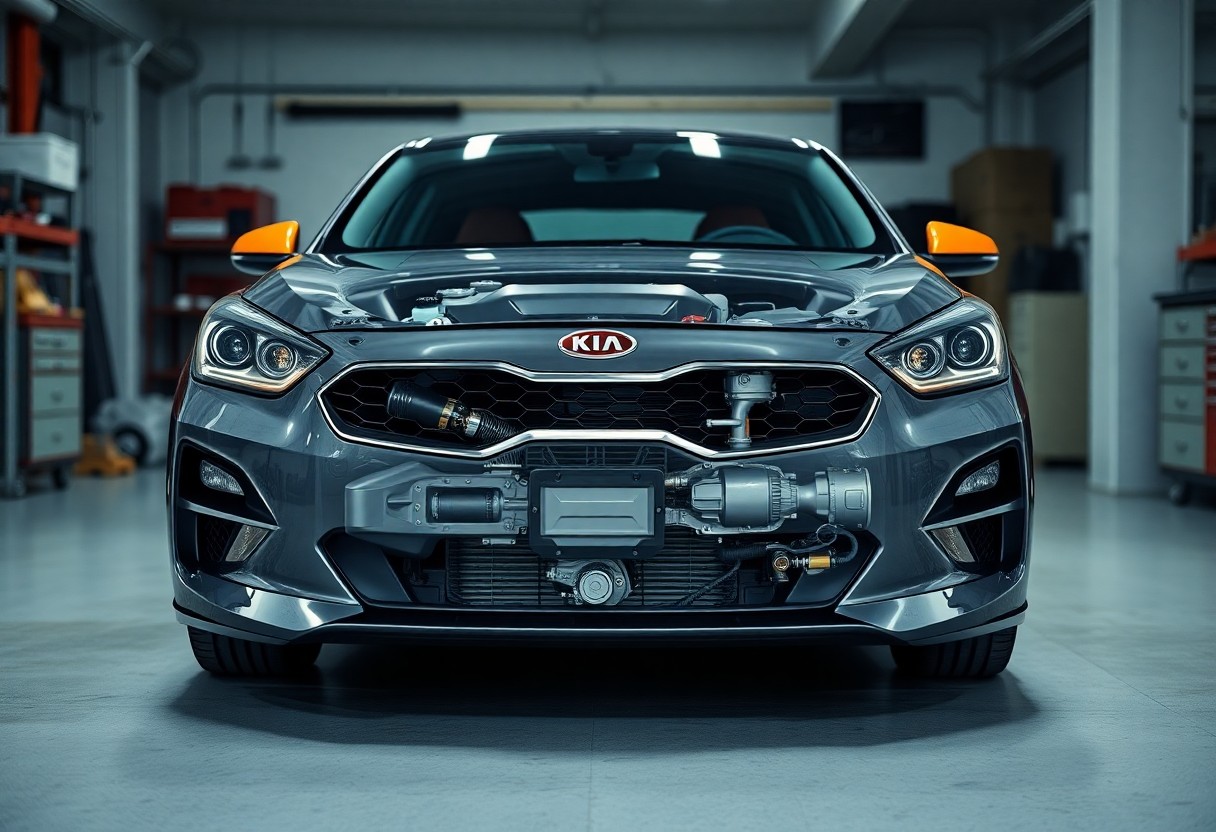
Just understanding your Kia’s drivetrain can significantly enhance your driving experience and vehicle longevity. The drivetrain is crucial for transferring power from the engine to the wheels, impacting performance and efficiency. Being aware of components like the transmission, driveshaft, and differential ensures you’re equipped to detect issues early. Additionally, regular maintenance can help you avoid costly repairs and keep your vehicle running smoothly. This guide will empower you with the knowledge you need to take excellent care of your Kia’s drivetrain and maximize its potential.
Understanding the Drivetrain
Before submerging into the specifics, it’s necessary to grasp what the drivetrain actually entails. Your Kia’s drivetrain is a complex system that transfers power from the engine to the wheels, enabling your vehicle to move. This system encompasses several components that work in harmony, transforming the energy generated by your engine into the active motion of your vehicle. Understanding the drivetrain’s roles and functionality not only enhances your appreciation of automotive engineering but also plays a pivotal role in maintaining your vehicle’s performance.
Definition and Importance
Any time you engage the accelerator, you rely on the drivetrain to deliver a seamless flow of power to your wheels. This system is important not just for forward motion; it also impacts your vehicle’s overall efficiency, handling, and safety. If components within the drivetrain are damaged or not functioning optimally, you could experience issues such as reduced acceleration, increased fuel consumption, and even potential breakdowns. Hence, having a sound knowledge of the drivetrain helps you understand what needs monitoring and when intervention might be necessary.
Key Components of the Drivetrain
On a high level, your Kia’s drivetrain consists of several key components, including the transmission, driveshaft, differentials, and axles. Each part serves a significant function, playing a unique role in ensuring that power flows effectively from your car’s engine to the wheels. For example, the transmission is responsible for changing gears, while the driveshaft transfers torque to the wheels, enabling movement. The differentials help in distributing power to the wheels while allowing them to rotate at different speeds, which is especially beneficial when navigating curves. Lastly, the axles support the weight of your vehicle and maintain the connection between your wheels and the rest of the drivetrain.
Drivetrain components are not just mechanical parts; they represent the heart of your vehicle’s mobility system, ensuring that you have the response and control you need while driving. When any component fails or wears out, it can lead to severe performance issues, and even put you at risk of accidents. Regular maintenance checks are vital to keep these components in prime condition, ensuring a safe and enjoyable driving experience.
Types of Drivetrains in Kia Vehicles
There’s a variety of drivetrain options available in Kia vehicles to suit diverse driving preferences and conditions. Understanding these different types can help you choose the right model for your lifestyle. Here’s a breakdown:
| Drivetrain Type | Description |
| Front-Wheel Drive (FWD) | Power is sent to the front wheels, enhancing fuel efficiency and traction. |
| All-Wheel Drive (AWD) | Power is distributed to all four wheels, improving stability and control. |
| Rear-Wheel Drive (RWD) | Primarily drives the rear wheels, offering a balanced performance for sporty driving. |
| 4-Wheel Drive (4WD) | Designed for off-road conditions, delivering maximum traction and power to all wheels. |
| Hybrid Drivetrain | Combines an electric motor with a conventional engine for improved efficiency. |
This information sets a foundation for understanding how different drivetrain systems can impact your Kia’s performance, handling, and overall driving experience.
Front-Wheel Drive (FWD)
Below, you’ll find details regarding Front-Wheel Drive (FWD). In this setup, the engine’s power is directed to the front wheels, which enhances the vehicle’s traction, especially in slick or wet conditions. FWD drivetrains offer the benefit of a lighter overall weight, contributing to better fuel efficiency, which is often appealing for everyday driving.
Driving a Kia with FWD means you can enjoy a stable ride while navigating city streets or highways. Plus, since most weight is kept over the front tires, you experience improved control and handling. This drivetrain option is widely popular among compact and midsize cars, making it an excellent choice for drivers looking for efficiency and practicality.
All-Wheel Drive (AWD)
FrontWheel, you’ll appreciate the advantages of the All-Wheel Drive (AWD) system. AWD sends power to all four wheels of your Kia, significantly improving traction on various surfaces, whether it’s rain, snow, or even light off-roading excursions. This drivetrain excels in providing enhanced stability and control, which can give you more confidence, particularly in challenging weather conditions.
It incorporates advanced systems that automatically determine how much power to send to each wheel, ensuring optimal performance without requiring input from you. This creates a seamless driving experience especially in variable conditions, making AWD a reliable option for those unpredictable days when the weather takes a turn.
Rear-Wheel Drive (RWD)
Across different driving scenarios, Rear-Wheel Drive (RWD) provides a unique experience. In RWD configurations, your Kia generates power to the rear wheels, allowing for a more balanced weight distribution. Because of this design, RWD vehicles often deliver a sportier driving feel, making them particularly sought after by those who enjoy performance-oriented cars.
Hence, this drivetrain configuration allows for better handling during high-speed maneuvers, giving you a thrilling experience behind the wheel. It also enhances towing capabilities, making it an ideal choice if you plan to haul heavier loads or engage in recreational activities.
Maintenance of Your Kia’s Drivetrain
After understanding the importance of your Kia’s drivetrain, it’s vital to prioritize its maintenance to ensure optimal performance and longevity. A well-maintained drivetrain not only enhances driving experience but also contributes to fuel efficiency and overall reliability. Consistent care and attention will prevent common issues that can arise due to neglect and can save you from costly repairs down the line.
Regular Inspections
One of the key aspects of maintaining your Kia’s drivetrain is conducting regular inspections. Checking for any signs of wear and tear, fluid leaks, or strange noises can help you catch problems early, before they become significant damage. Be sure to inspect components such as the transmission, driveshaft, and differentials periodically. Keeping an eye on these areas ensures that your vehicle operates smoothly and extends its lifespan.
Fluid Changes and Repairs
Before any major issues arise, it’s necessary to adhere to a routine schedule for fluid changes and necessary repairs. The proper functioning of your drivetrain relies heavily on the fluids, including transmission fluid, differential fluid, and transfer case fluid. Over time, these fluids can become contaminated or break down, leading to potential damage. Regularly changing these fluids not only keeps your Kia running efficiently but also minimizes wear on key components.
With proper care, you can avoid significant failures and maintain the health of your vehicle’s drivetrain. Prioritizing fluid changes and addressing any repairs promptly can be the difference between a smooth drive and unexpected breakdowns. Ignoring fluid maintenance can lead to overheating and serious mechanical failures, which can be both costly and unsafe. Always refer to your owner’s manual for specific recommendations and consult a professional if you’re unsure about any aspect of your Kia’s drivetrain maintenance.
Common Drivetrain Issues
For Kia owners, understanding common drivetrain issues can help in diagnosing problems early and maintaining the longevity of your vehicle. Drivetrain issues can arise from various components such as the transmission, drive shafts, and differential. Recognizing the symptoms that indicate something may be wrong can save you time and costly repairs down the road.
Symptoms of Problems
At the first signs of drivetrain trouble, you may notice unusual noises while driving, such as clunking or grinding sounds, which could indicate issues with the transmission or drive shaft. You might also experience difficulty accelerating or shifting gears smoothly. Additionally, vibrations during driving can signify an imbalance or misalignment in the drivetrain components. If you notice warning lights on your dashboard, particularly those related to the transmission or engine, it is vital to investigate further.
Troubleshooting and Solutions
Drivetrain problems can be addressed through a variety of troubleshooting methods. Start by checking the transmission fluid levels; low fluid can lead to poor performance and shifting issues. You should also inspect the drive shafts and joints for any signs of wear or damage. It’s advisable to consult your owner’s manual for specific guidelines concerning your Kia model. If you remain uncertain about the issues, seeking the expertise of a qualified mechanic can provide clarity and guidance.
Also, taking a proactive approach to your vehicle’s maintenance, such as regular fluid changes and inspections, can help significantly reduce the likelihood of drivetrain issues. If you notice any of the symptoms mentioned, acting quickly can prevent further damage and keep your Kia running smoothly. Prioritize your vehicle’s health by being vigilant about these signs, and you can enhance both performance and safety on the road.
Upgrading Your Drivetrain
Unlike many car components, your Kia’s drivetrain is a complex system that can significantly affect your vehicle’s overall performance, efficiency, and driving experience. When you consider upgrading this critical component, it’s important to understand that enhancements can range from simple adjustments to major overhauls. Key performance upgrades can lead to improved horsepower, better torque, and enhanced fuel efficiency, making your ride not only more enjoyable but also more responsive to your driving style.
Performance Enhancements
Beside opting for standard maintenance, you might want to consider performance enhancements to maximize your Kia’s potential. This could involve tuning your engine control unit (ECU) for optimal efficiency, investing in high-performance clutches or differentials, or upgrading to a lightweight driveshaft. Such modifications can result in notable improvements in acceleration and responsiveness. Additionally, examining the gears in your transmission can transform your car’s handling capabilities, allowing for a more spirited driving experience.
Aftermarket Options
To expand on your upgrade options, the aftermarket world is brimming with possibilities for enhancing your Kia’s drivetrain. From performance exhaust systems to upgraded torque converters, there are parts designed to improve power and efficiency. Be cautious, though—selecting a reputable manufacturer and product can make all the difference in reliability and performance. It’s important to choose products that are compatible with your specific Kia model to avoid potential conflicts and ensure that your upgrades run smoothly.
Further, exploring aftermarket options can lead you to specialized companies that provide high-quality parts specifically designed for enhancing performance. This not only opens the door to unique modifications that can set your Kia apart but also provides insight into what works best for your particular driving needs. Always conduct thorough research before committing to any changes, as the wrong modifications can lead to potential damage or voiding warranties. That said, with the right choices, upgrading your drivetrain can significantly elevate your driving experience.
Final Words
From above, you can appreciate the intricacies of your Kia’s drivetrain and how it plays a vital role in your vehicle’s overall performance. Understanding the components, such as the engine, transmission, driveshaft, and differential, empowers you to make informed decisions regarding maintenance and repairs. By being aware of how these elements work together, you can better assess any potential issues that may arise, ensuring that your Kia operates smoothly and efficiently for years to come.
Additionally, regular maintenance is important for preserving the integrity of your drivetrain. By following prescribed service intervals and addressing any signs of wear or malfunction early on, you can help extend the life of your vehicle. Ultimately, being proactive about your Kia’s drivetrain care will enhance your driving experience and contribute to your vehicle’s lasting reliability. Stay informed, stay vigilant, and your Kia will reward you with dependable service on every journey.


Comments are closed